
The historical journey of casinos From ancient games to modern gambling hubs

The historical journey of casinos From ancient games to modern gambling hubs
Origins of Gambling: Ancient Civilizations
The history of casinos can be traced back to ancient civilizations where various forms of gambling were integral to social life. In ancient China, around 2300 BC, rudimentary games of chance were played, often using tiles to simulate the randomness of chance. Similarly, in ancient Rome, betting on gladiatorial contests became a popular pastime, highlighting the human attraction to risk and reward. These early forms of gambling laid the groundwork for modern gaming practices, embedding the thrill of chance deep within cultural traditions. For those looking to regain access to online gambling, our guide found at https://nonukgamblingsites.co.uk/how-to-cancel-gamstop/ provides crucial insights.

As societies evolved, so did gambling. The Egyptians were known to play senet, a board game that included elements of chance. This reflects not only the allure of winning but also the communal aspect of gaming as a social activity. Such early games weren’t merely for entertainment; they often served as a way to engage with the spiritual or divine, demonstrating how intertwined gambling was with the beliefs of the time.
These ancient practices gradually morphed into organized games, establishing a foundation for casinos. By the time we reach the Middle Ages, gambling had become a staple of European society. The establishment of betting houses began to appear, a precursor to the modern casino, showing a clear progression from informal games played in homes and public squares to more structured environments aimed at the growing gambling populace.
The Renaissance and the Birth of Casinos
The Renaissance period marked a significant turning point in the history of gambling, introducing new games and formalizing the casino structure. The first official casino, the Ridotto, opened its doors in Venice in 1638, designed to provide a regulated and safe environment for gambling. This establishment set the stage for future casinos, introducing rules and providing a controlled atmosphere where patrons could gamble legally and enjoy various forms of entertainment.
During this time, card games began to gain popularity, with games like baccarat and poker emerging as favorites. These games required not just luck but also skill, allowing players to engage more deeply with the gambling experience. The expansion of these games attracted a wider audience, transforming gambling from a clandestine activity into an accepted part of social life in Europe.
The combination of burgeoning wealth and the aristocratic desire for entertainment fueled the growth of casinos. By the 18th century, casinos were proliferating across Europe, becoming opulent venues that drew in patrons from all walks of life. This era marked the transformation of casinos into glamorous establishments synonymous with luxury and leisure, further cementing their place in modern culture.
Casinos in the 19th Century: The American Influence
The 19th century witnessed the expansion of casinos into North America, significantly influenced by European trends. As immigrants brought their gaming traditions to the New World, cities like New Orleans became hotspots for gambling. The introduction of the American version of poker and the establishment of riverboat casinos allowed gambling to flourish in the burgeoning nation. This era was characterized by a blend of excitement, risk, and the opportunity for quick wealth, drawing many individuals into the world of gambling.
During this time, the concept of the casino as a large, dedicated space for gambling began to materialize. The establishment of casinos in Las Vegas would later revolutionize the gambling landscape, but the roots of this phenomenon can be traced back to the informal gambling halls and saloons of the 19th century. These venues provided a social hub where people could gather and engage in games of chance, creating a community around gambling.
As the 19th century came to a close, gambling regulations began to evolve, leading to a push for legalized gambling in various states. This shift indicated a recognition of the potential economic benefits of casinos, paving the way for the eventual rise of Las Vegas as the epicenter of the gambling world. The transformation from illicit gambling to regulated institutions set the stage for the development of modern casinos that we know today.
The Modern Casino Era: Las Vegas and Beyond
The modern casino era began with the emergence of Las Vegas in the mid-20th century. The legalization of gambling in Nevada in 1931 set off a revolution in the gambling industry. The Strip, with its sprawling hotels and casinos, became a symbol of indulgence and excitement, attracting millions of visitors every year. Casinos in Las Vegas didn’t just focus on gaming; they incorporated elaborate entertainment options, gourmet dining, and luxury accommodations, creating a complete experience for visitors.
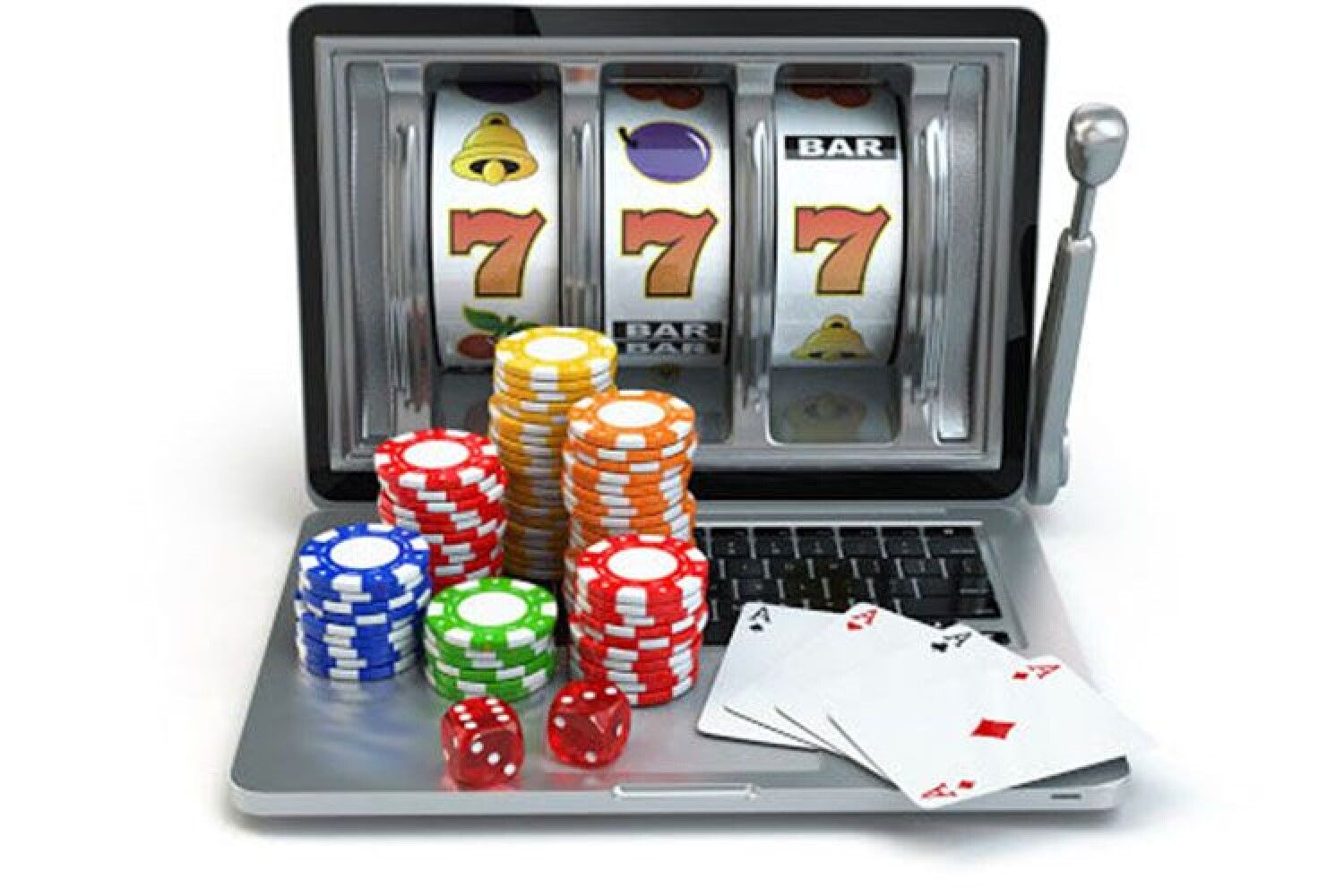
With technological advancements, the casino experience continued to evolve. The introduction of electronic gaming machines and online gambling has transformed how players interact with games. Today, online casinos offer a wide range of gaming options accessible from the comfort of home, expanding the audience beyond traditional brick-and-mortar establishments. This digital shift has introduced a new set of challenges and opportunities for the industry, influencing everything from marketing strategies to regulatory frameworks.
Furthermore, the rise of international gambling hubs, such as Macau, has diversified the global gambling landscape. These modern casinos are not merely places to gamble but comprehensive entertainment complexes, combining shopping, dining, and shows. This evolution illustrates how casinos have adapted to consumer preferences, continuously finding new ways to engage players while promoting responsible gambling practices.
Our Commitment to Responsible Gaming
As the gambling landscape continues to evolve, so does our commitment to promoting responsible gaming. Understanding the psychological effects of gambling is crucial in ensuring a safe and enjoyable experience for players. Our platform provides comprehensive insights and resources for individuals seeking to engage in gambling responsibly. With a focus on informed decision-making, we aim to help players navigate their options while remaining aware of potential risks.
We believe that education is essential in fostering a positive gambling environment. By offering information on self-exclusion programs, such as GamStop, and alternative gaming options, we empower individuals to make informed choices about their gambling habits. Our goal is to create a supportive community that prioritizes player wellbeing and responsible gaming practices.
As we continue to explore the rich history and ongoing evolution of casinos, we remain committed to providing valuable resources. Whether you are a seasoned player or new to the gambling scene, our insights aim to enhance your understanding and enjoyment of the gaming experience while promoting a culture of responsibility and awareness.